
Blog

Modern Pest Management Trends Shaping Urban Environments
Effective pest management in modern urban environments has transitioned from reactive treatments to a proactive, strategy-based model. By combining building science with professional expertise, property managers and residents can achieve long-term resilience against infestations.
1. Integrated Pest Management as the Operational Backbone
Integrated Pest Management (IPM) has matured from a mere recommendation into the practical foundation of modern pest control. Rather than relying on a single treatment, IPM coordinates diligent inspection, habitat modification, mechanical controls, and ongoing monitoring. For example, a multifamily property facing cockroach activity might begin with structural sealing and resident sanitation coaching to identify "hot spots" before any product is applied. In food-handling spaces, the focus shifts to exclusion—improving door sweeps and installing drain screens—ensuring that chemical treatments are a final step rather than the first. This layered approach supports safety, sustainability, and long-term results.
2. Data-Driven Monitoring and Remote Sensing
Digital monitoring devices and analytics platforms have become mainstream, significantly improving the accuracy of pest documentation. Smart traps and remote sensors capture time-stamped activity, providing early warnings that allow for swift, targeted interventions. If sensors detect rodent activity along a delivery corridor, a technician can address the breach before it reaches customer-facing areas. Over time, this aggregated data reveals the effectiveness of new policies, such as whether improved trash-handling procedures correlate with a dip in pest captures. This data-first approach ensures service plans remain adaptable as seasons and neighborhood pressures shift.
3. Bed Bug Strategies: Education and Early Detection
Shutterstock Explore Bed bugs continue to challenge high-density housing and hospitality operations, prompting a shift toward education and disciplined follow-up. In urban centers like Chicago, teaching residents to inspect mattress seams, reduce clutter, and launder fabrics on high heat after traveling supports faster discovery and containment. In buildings with high turnover, passive monitors help identify risks at the door. When an infestation is confirmed, success rests on meticulous verification: checking adjacent units to stop migration through wall voids and performing post-service inspections to confirm all life stages have been addressed.
4. Exclusion and Sanitation in Urban Rodent Control
Cities present unique rodent pressures tied to dense infrastructure and abundant food sources. The most reliable control programs prioritize structural exclusion and sanitation. Practical measures include repairing loading doors, installing metal kick plates, and sealing utility penetrations with rodent-resistant materials. Consistent waste management—such as using tight-fitting dumpster lids and scheduled pickups—removes the attractants that can undermine trapping efforts. Inside facilities, keeping dry goods on elevated shelving and in lidded containers breaks access to food sources, turning one-time fixes into a permanent defense.
5. Training, Communication, and Compliance
Sustained success in pest management depends on people. Property managers, maintenance teams, and occupants all influence outcomes by reporting sightings quickly and maintaining sanitation standards. For instance, a school that trains custodial staff to identify food debris beneath lockers can resolve issues before students ever encounter them. In regulated environments like healthcare or food service, detailed documentation of monitoring results and corrective actions supports audits and reinforces accountability. Continuous education ensures that teams stay ahead of pests as building uses change and new challenges emerge.
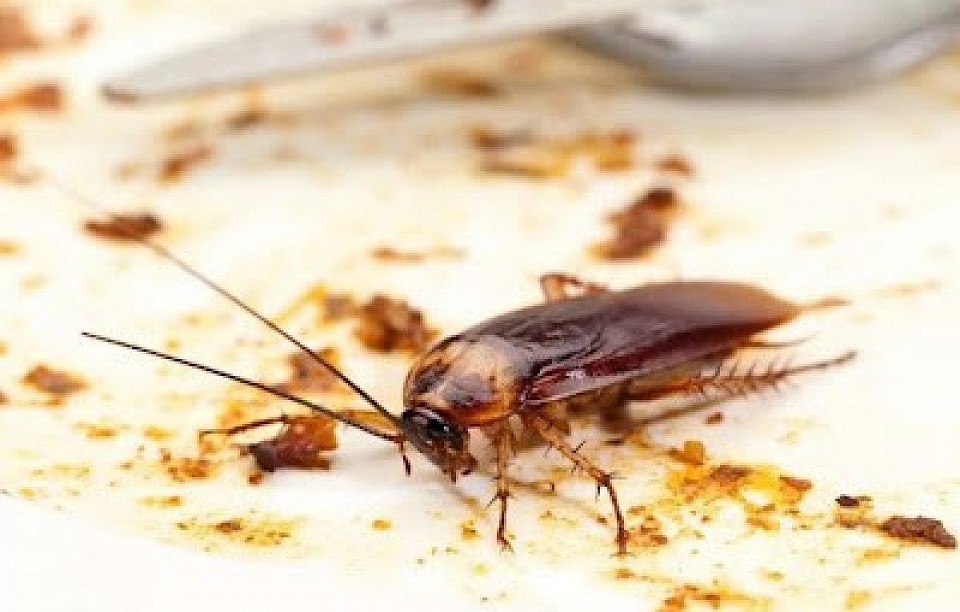
Urban Pest Management Strategies Evolving with Safety, Seasonality, and Sustainable Tactics
Effective pest management in modern urban environments requires a transition from reactive treatments to a proactive, strategy-based model. By combining building science with professional expertise, property managers and residents can achieve long-term resilience against infestations.
1. Integrated Pest Management as the Operational Backbone
Integrated Pest Management (IPM) remains the guiding framework for modern operators, balancing prevention, identification, and targeted intervention. Rather than leaning on broad-spectrum applications, IPM emphasizes habitat modification, consistent monitoring, and the judicious use of treatments only when specific action thresholds are met.
In dense neighborhoods and mixed-use buildings, this approach reduces disruption and focuses efforts where they have the highest impact. For example, technicians might begin with exclusion—sealing entry gaps around utility lines and installing door sweeps—paired with sanitation coaching to remove the food and moisture that sustain pests. If populations persist, precise bait placements or localized treatments follow. This phased strategy supports long-term control, protects indoor air quality, and curtails pest resistance.
2. Seasonality and Building Design Shape Urban Pest Pressure
Pest behavior responds to shifting temperatures, humidity, and the wear and tear of urban infrastructure. During warm months, open dumpsters, overwatered planters, and clogged gutters drive fly, ant, and mosquito activity. As conditions cool, rodents and overwintering insects move indoors through foundation cracks, roof junctions, and utility chases.
Preventive schedules must align with these cycles. Spring inspections target perimeter vegetation and drain maintenance, while late-summer walkthroughs emphasize rooflines and attic vents to preempt nesting. Practical improvements, such as installing rodent-resistant brush strips on loading docks or regrading areas where water collects, significantly reduce attractants. Building managers benefit from quarterly checklists tied to maintenance calendars to address pests before they become visible to tenants.
3. Stinging Insect Management with Emphasis on Safety and Ecology
Public safety standards for stinging insects require swift identification and controlled removal, particularly near schools, outdoor dining areas, and entryways. Inspectors differentiate between paper wasps, yellowjackets, and hornets to choose techniques that minimize agitation and exposure.
In ecologically sensitive spaces, reducing attractants is as powerful as direct intervention. This includes securing food waste, repairing screens, and trimming vegetation near human activity. Industry best practices increasingly favor approaches that limit collateral impact on non-aggressive pollinators. For example, performing services at dusk or dawn and using thorough post-removal sanitation helps eliminate pheromone trails. These measured, site-specific methods prioritize safety and environmental stewardship in dense urban settings like courtyards and rooftop terraces.
4. Data-Driven Monitoring and Documentation
Digital monitoring systems and standardized inspection logs help teams detect hotspots early and maintain transparency for stakeholders. Trend mapping—the practice of marking recurring pest evidence on floorplans—reveals structural vulnerabilities, such as leaky compactor chutes or damp utility rooms.
Timestamped notes and photos create a shared record that streamlines communication between managers and maintenance contractors. With these tools, corrective actions become more precise: a maintenance ticket to repair a door threshold can close a rodent pathway, while a plumbing fix can remove a moisture source for cockroaches. In food service, this documentation supports audit readiness, while residential communities benefit from clear summaries that explain findings and recommended follow-ups.
5. Education, Communication, and Continual Improvement
Sustained outcomes depend on informed occupants and aligned site teams. Brief training for building staff and tenants—focused on trash storage, breakroom hygiene, and proper reporting—serves as a powerful driver of prevention. Signage near refuse areas and welcome packets for new residents can highlight simple actions, such as rinsing recycling and promptly reporting maintenance issues.
Effective communication also prepares stakeholders for scheduled services, reducing surprises and clarifying expectations. Continuous improvement occurs when feedback loops connect field observations to policy updates, such as adjusting landscaping contracts to increase mulch clearance from siding. As urban density grows, this education-forward model ensures pest management keeps pace through coordinated teamwork and thoughtful material selection.